
Buying links in your home market is straightforward: you know the language, you can read the site, and you can judge the price. International link building removes all three advantages at once — placements on sites you cannot read, in markets whose prices you do not know, for pages in five language versions. Done well, it is the fastest way to build authority in a new country. Done carelessly, it is money spent on links pointing at the wrong page, in the wrong language, from sites your new audience never visits.
This guide covers the buyer side: the geo-signals a placement must send, how to vet a foreign-language publisher you cannot read, what prices look like by market, and the matching rules that decide whether a bought link helps the country version of your site.

What International Link Building Actually Buys
International link building means earning or buying backlinks from websites serving a specific country or language market, so search engines associate your site with that market. It is not buying from any high-authority site based abroad: a German news site linking to your English homepage does far less for your German rankings than a German-language site linking to your German-language page.
The distinction matters because search engines use links as location signals. The linking site’s country, language, and audience all feed into how much weight the link carries for that market — which is why international link building is a targeting exercise first and a buying exercise second.
The Geo-Signals a Placement Must Send
Before you buy, check four signals on the host site:
- Country domain or hosting. A country-code domain (like .de or .fr) is the strongest signal, but a generic domain with a clear local audience works too — not a site merely registered in the country while writing for a global English audience.
- Host-page language. The page carrying your link should be written in the language of the market you are targeting, not in the site’s English version.
- Local traffic share. Ask for traffic by country: a site with 5 percent German traffic is not a German placement, whatever its domain ending says.
- Topical and local relevance. A local directory, regional news site, or niche blog in the market beats a generic high-authority site with no local connection.
Vetting a Publisher in a Language You Don’t Speak
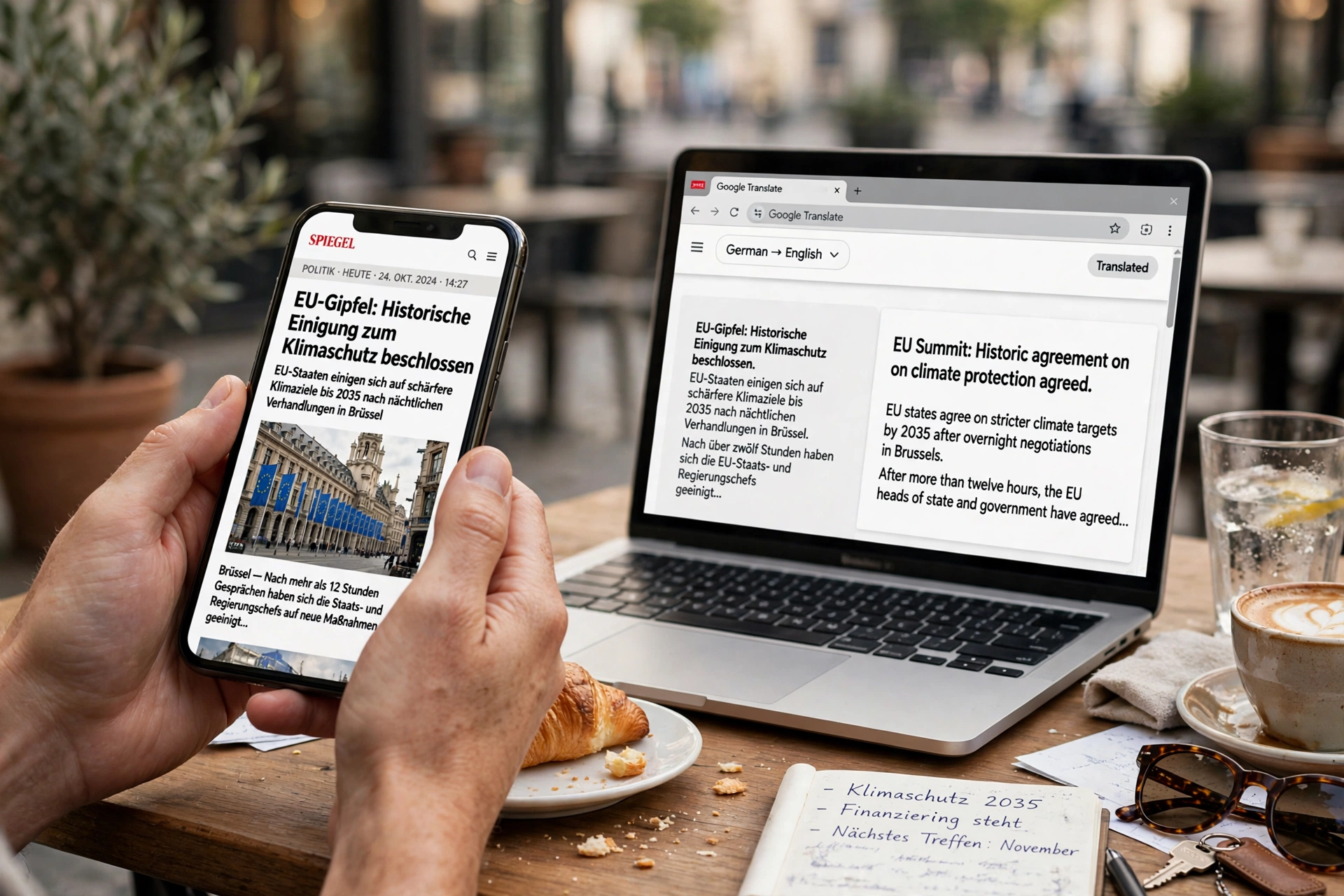
This is the step most buyers skip — and where international orders go wrong. Use this workflow:
- Hire a native reviewer for a one-hour check. A native speaker can tell in minutes whether content is natural, the audience is real, and the placement page reads like genuine editorial content or a link farm — the cheapest insurance in international link building.
- Verify local traffic independently: ask for analytics screenshots by country and cross-check with a traffic tool you trust. Traffic claims are the most inflated numbers in link selling.
- Watch for translation red flags: machine-translated content, identical articles across many language versions, and author bios on dozens of unrelated sites all point to a network built for selling links, not an audience.
- Read the site’s outbound links. Even without speaking the language, you can see whether it links to real brands or only to commercial pages.
Price by Market: What to Expect
Prices vary sharply by market. English-language placements in the US and UK cost most because demand is highest. Large Western European markets — Germany, France, Spain — typically cost less than US placements at the same authority, while smaller markets can be cheaper still. Emerging-market placements are often cheapest, but carry the highest vetting risk, because fewer independent traffic sources exist to verify them.
Three contract pitfalls catch buyers out: currency — agree one currency and who bears conversion fees, or a favourable quote quietly becomes 8 percent more expensive; payment terms — never pay 100 percent upfront to a new foreign vendor, staged payment tied to live-link verification is standard; replacement terms — agree in writing what happens if the link is removed, because chasing a refund across borders is slow. If you are comparing cost structures first, the site’s guide to link building pricing models explains per-link versus retainer structures.
Geo-Target Matching: The Rule That Decides Everything
The single most wasted spend in international link building is a link pointing to the wrong version of your site. The rule is simple: it must point to the country or language version of the page it is meant to rank. A German placement linking to your English product page helps your English page, not your German one, and confuses the signal for both.
Pair every international placement with hreflang, so the incoming link reinforces the right version for its market. Google’s documentation on managing multilingual sites is the reference to hand your developer: Google’s international targeting guidance. A bought link without matching hreflang is half a link; one to the wrong language version can muddy your targeting.
Building Your First International Order
Start with one market, not five: pick one where you already have a translated page and local demand, and buy a test batch of three to five placements. Vet each site with the workflow above, verify every link live, and track rankings for the target language version for eight to twelve weeks before scaling.
When you are ready to source placements, start from vetted inventory rather than cold outreach in a language you do not speak. The marketplace lets you filter by market and language — removing the hardest part of the first order: finding real sites instead of resellers.

Conclusion
International link building rewards buyers who treat it as targeting, not shopping. Check the geo-signals, vet every publisher with a native reviewer, agree price and replacement terms in writing, and point each link at the right country-language version with hreflang in place. Do that, and your first market becomes a repeatable playbook — easy to run, and powerful because most competitors skip the vetting.
Frequently Asked Questions
Does a link from a foreign site help my home-market rankings?
Only weakly — a link’s location signals mostly benefit the market the linking site serves, so a German site helps your German pages far more than your English ones.
How do I vet a publisher when I cannot read its language?
Hire a native speaker for a short review, verify traffic by country, watch for machine-translation red flags, and inspect outbound links — all without fluency.
Should international links point to my homepage or a translated page?
To the translated, country-specific version of the page you want to rank — pointing them at the English homepage wastes the location signal.
Why do prices differ so much between markets?
Demand, language supply, and verifiability — US and UK placements cost most; smaller markets cost less but carry higher vetting risk.
What is hreflang, and why does it matter for bought links?
Hreflang tags tell search engines which language version serves which market. Without them, an international link may reinforce the wrong version.