When you pay for a guest post, someone has to tell the reader it was paid for — and legally, that someone is you. Sponsored post disclosure isn’t a courtesy the publisher does you; under US Federal Trade Commission rules, the advertiser (the buyer) carries ultimate responsibility for making sure paid content is disclosed, even on a site you don’t own. Get it wrong and the risk lands on your brand, not the blog that took your money.
This guide covers sponsored post disclosure: what the law requires, the wording and link attributes that keep a placement compliant, the contract language to demand, and what changes outside the US.
What Sponsored Post Disclosure Actually Requires
The FTC’s rule is simple to state and strict in practice: any material connection between an advertiser and the content’s creator — payment, free products, an ongoing commercial relationship — must be disclosed clearly and conspicuously. For sponsored post disclosure on a bought guest post, that translates into three tests:
- Placement: at or near the top of the article, or directly beside the paid link — not buried at the end of the author bio, in a footer, or behind a “read more” fold.
- Wording: unambiguous terms: “Sponsored,” “Paid post,” “This article contains paid links.” Vague signals — “#collab,” “thanks to our friends at…,” a tiny “partner content” tag — do not meet the standard.
- Persistence: the label must still be there next month and next year, for as long as your link is.
One nuance: disclosure law and search rules are two systems. The FTC governs what readers must be told; Google governs how paid links are marked for its index — where rel attributes come in.

The Link Itself: rel=”sponsored” and Nofollow
Google requires paid links to be qualified with rel=”sponsored” (or rel=”nofollow”), so the link doesn’t pass ranking credit as if it were earned — see Google’s documentation on qualifying outbound links. This is the core of Google’s link spam policy applied to sponsored post disclosure: a paid placement dressed as an ordinary editorial link is exactly what the policy targets.
What should a buyer actually require?
- The paid link carries rel=”sponsored” (best practice) or at minimum rel=”nofollow”.
- The page carries a visible sponsored post disclosure label a human reader can see — the rel attribute alone is invisible to readers and does not satisfy the FTC.
- Links in the same article you did not pay for are the publisher’s business.
Yes, a properly disclosed paid link passes little or no direct ranking value. That’s the honest trade — if your entire model depends on undisclosed paid dofollow links, you’re not buying SEO, you’re renting risk. Disclosed placements still earn referral traffic, brand exposure, and natural links a visible post attracts secondarily.
Sponsored Post vs. Guest Post: Don’t Confuse the Two
A traditional guest post is contributed for exposure, with an author bio link; a sponsored post is a paid placement with advertising obligations. Our sponsored posts vs guest posts breakdown covers the format differences. The rule that matters here: the moment money (or value) changes hands for the placement, sponsored post disclosure duties switch on — whatever the invoice calls it. Renaming a paid post a “guest contribution” doesn’t remove the material connection.
Put Sponsored Post Disclosure in the Contract, Not in a Hopeful Email
The single most effective sponsored post disclosure control a buyer has is contractual. Before you pay, your agreement with the publisher or vendor should state, in writing:
- The duty: the publisher will label the post as sponsored/paid content, with agreed wording, at the top of the article, for the life of the placement.
- The attribute: your link will carry rel=”sponsored” or rel=”nofollow”, and any change to the attribute or anchor requires your written consent.
- The remedy: if the label or attribute is removed, you are owed restoration within a set number of days, a replacement placement, or a refund.
- Verification rights: you may check the live page at any time; sellers who refuse verification are telling you something.
Disclosure slots in naturally alongside the survival and replacement clauses in a solid link building contract — add it as its own numbered clause, not a side note.
Then verify: check the live page on publication day, at 30 days, and at 90 days — label present, attribute intact, link unchanged. Labels disappearing in redesigns is common enough that unverified disclosure is barely better than none.
Outside the US: ASA, CMA and EU Rules
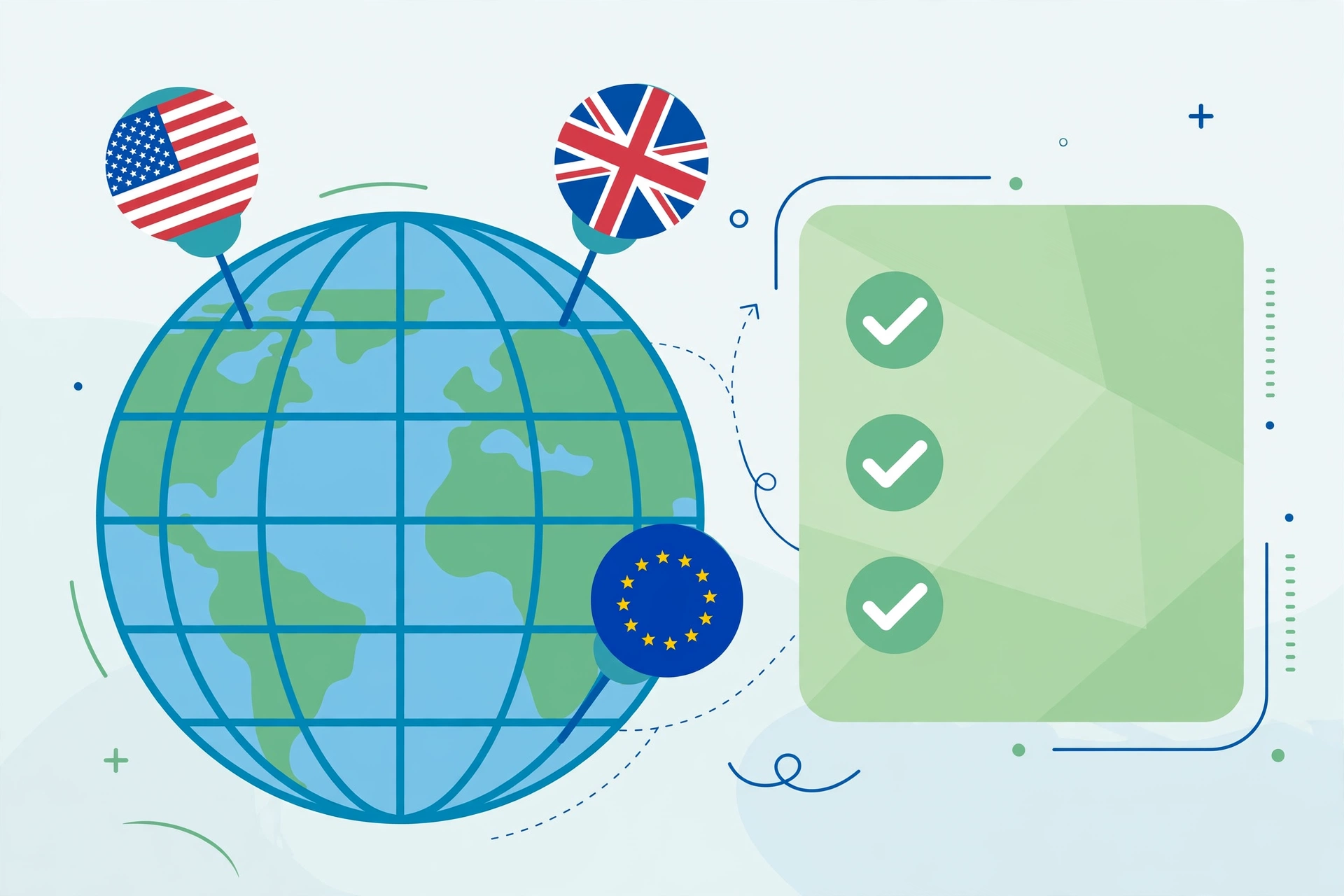
If your placements run on UK or EU sites, US sponsored post disclosure rules aren’t the only ones in play:
- United Kingdom: the ASA’s advertising codes and CMA consumer-protection guidance require paid content to be “obviously identifiable” as an ad — upfront labels such as “Ad” or “Advertisement feature,” not a hashtag at the end. The CMA has pursued brands, not just publishers, over hidden paid endorsements.
- European Union: the Unfair Commercial Practices Directive requires disclosing commercial intent where it isn’t obvious, and several member states enforce it actively.
- Elsewhere: Australia (ACCC), Canada (Competition Bureau) and most mature ad markets follow the same principle — paid content must be identifiable as paid.
For buyers, one standard covers all of it: a plain-language label at the top of the post plus a rel=”sponsored” link satisfies the strictest regimes simultaneously.
Frequently Asked Questions
Who is legally responsible for disclosure — the buyer or the publisher?
Both can be liable, but the FTC holds the advertiser ultimately responsible. “The blog forgot” is not a defense for your brand — which is why the duty belongs in your purchase contract.
Does adding a sponsored disclosure kill the SEO value of a post?
A disclosed paid link carries rel=”sponsored” or nofollow, so it won’t pass ranking credit like an earned editorial link. It still drives referral traffic, brand searches and secondary natural links — with none of the risk of an undisclosed paid link.
Is a label in the author bio enough disclosure?
No. Disclosures must be hard to miss and seen before readers engage with the endorsement — a footer or end-of-article bio line fails that test. Put the label at the top.
What wording should a sponsored post disclosure use?
Plain, unmistakable words: “Sponsored,” “Paid post,” “Sponsored content,” or “This article contains paid links.” Avoid ambiguous tags like “partner,” “collab,” or “presented by,” which regulators have repeatedly flagged.
What if the publisher removes the disclosure after publication?
That’s a contract breach if you followed this guide. Notify the publisher in writing, invoke your remedy clause (restoration, replacement, or refund), and log it — repeated removals mean stop buying from that vendor.
Final Takeaway
Sponsored post disclosure is cheap insurance: a visible label, the right rel attribute, a contract clause assigning the duty, and three verification checks in the first 90 days. Build those four habits and you can buy with a clear conscience and a defensible paper trail. When you browse websites in our marketplace, ask every seller the disclosure question before you ask the price — the answer tells you exactly who you’re dealing with.