If you have ever opened a backlink report and seen half of your links tagged as nofollow, you have probably asked the same question link buyers ask every day: do nofollow backlinks help SEO at all, or are they just filler in your profile? It is a fair question, especially when you are spending real money on placements.
The short answer is that nofollow links do help — just not in the way most people expect. They rarely move rankings the way a followed editorial link does, but they drive traffic, build brand visibility, keep your link profile looking natural, and can even lead to powerful dofollow links later. Let us break down exactly what nofollow backlinks do, how Google actually treats them in 2026, and how a smart link buyer should value them.
What Is a Nofollow Backlink, Really?
A nofollow backlink is an ordinary hyperlink that carries an extra HTML attribute — rel=”nofollow” — telling search engines that the linking site does not necessarily vouch for the destination in the traditional sense. It was introduced in 2005 by Google, Yahoo, and Microsoft to fight comment spam: if links in blog comments passed no ranking credit, spammers lost the incentive to flood every comment box on the internet.
The attribute worked so well that it spread far beyond comments. Today, nofollow shows up on forum posts, social media links, Wikipedia references, many large news publications, and most user-generated content. Google later introduced two sibling attributes — rel=”sponsored” for paid or compensated links and rel=”ugc” for user-generated content — to describe link relationships more precisely, but plain nofollow remains the most common one you will encounter in a backlink audit.
For years, the practical interpretation was simple: a dofollow link passed link equity (the ranking value a link carries), and a nofollow link passed none. Buyers treated nofollow placements as worthless, and link sellers charged far less for them. That mental model is now outdated, and clinging to it can cost you real opportunities — which is exactly why so many buyers now ask, do nofollow backlinks help SEO?
The 2019 Rule Change: Nofollow Became a Hint
In September 2019, Google announced a fundamental shift in how it processes the nofollow attribute: it moved from being a directive to a hint. Before the change, Google simply dropped nofollowed links from its link graph — for ranking purposes, they did not exist. After the change, Google reserves the right to crawl, index, and even weigh a nofollow link when the context suggests it is valuable. Google’s own documentation on qualifying outbound links reflects this model, and the hint approach has been in place for all three attributes — nofollow, sponsored, and ugc — ever since.
What does “hint” mean in practice? It means Google can choose to treat a nofollow link as a signal in some cases — for example, when it appears on a trusted, editorially reviewed publication — and ignore it in others, such as obvious spam. Nobody outside Google knows exactly when the hint is honored, but the shift ended the era of nofollow being an absolute zero.
That 2019 change is the single biggest reason the question “do nofollow backlinks help SEO” gets a very different answer today than it did a decade ago. If you have ever wondered, do nofollow backlinks help SEO after that change, the honest answer is that the hint model opened the door.
This is one of the most misunderstood facts in modern link building. Many guides written before 2019 still float around claiming nofollow links have “absolutely zero” ranking power. That advice predates the hint model, and relying on it means evaluating link opportunities with rules that Google itself abandoned years ago.
So, Do Nofollow Backlinks Help SEO?
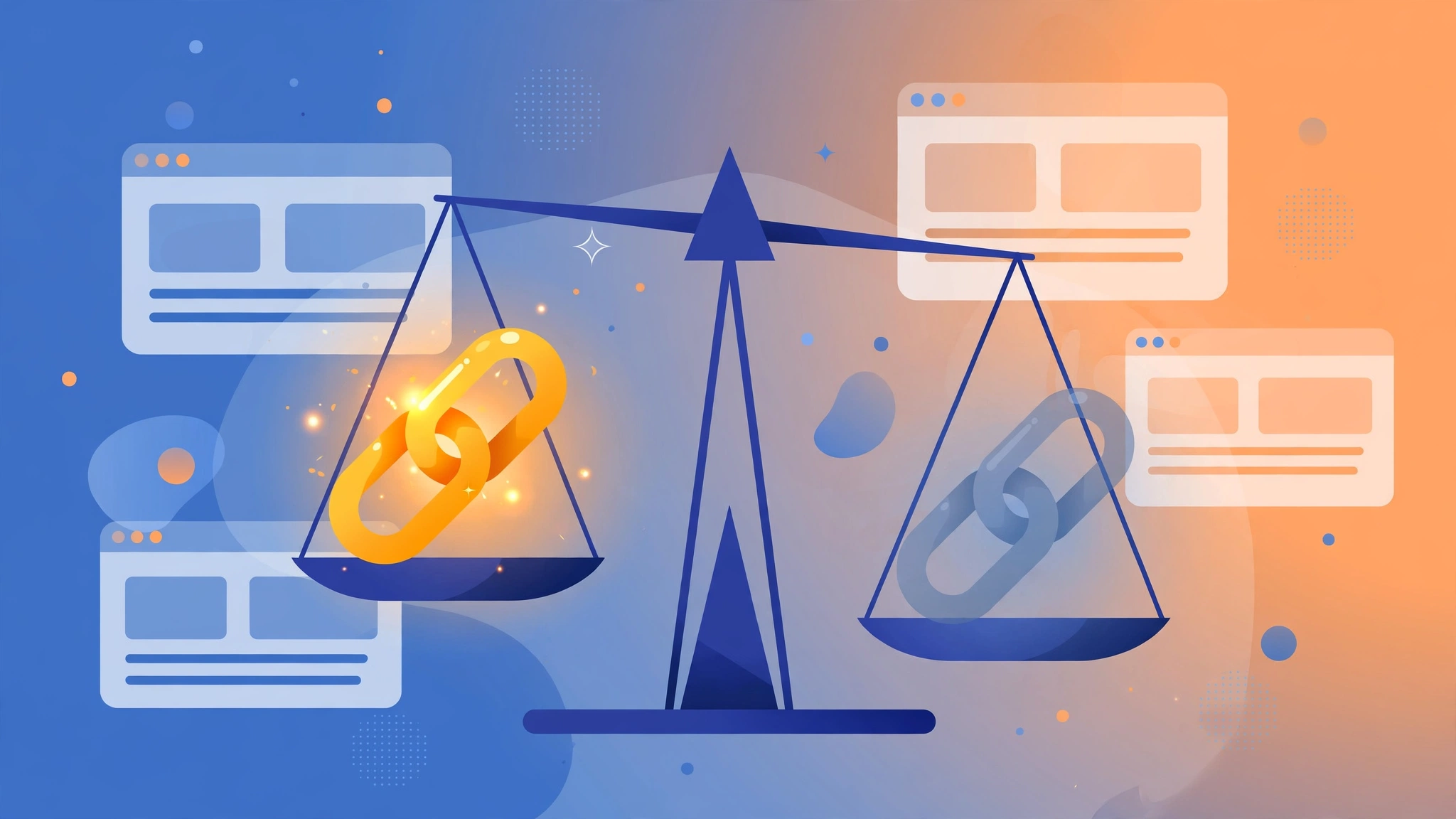
Yes — do nofollow backlinks help SEO? Yes, they help in real, measurable ways, even though they do not pass PageRank the way followed links do. The honest version of the answer has two parts: a nofollow link will not, on its own, lift your rankings the way a strong dofollow editorial link does, but writing off nofollow links entirely ignores how modern SEO actually works.
That two-part answer is exactly why “do nofollow backlinks help SEO” remains one of the most searched questions in link building year after year. Their value shows up through referral traffic, brand exposure, crawl discovery, and profile diversity rather than through direct link equity.
Consider what happens when your site earns a nofollow link on a publication your buyers actually read. Real humans click that link. Some of them remember your brand and search for it later — those branded searches are a positive signal in their own right. Others share the article on social media, quote it in newsletters, or reference it in their own blog posts, and those secondary mentions often arrive as followed links. This link cascade — a nofollow placement that sparks dofollow citations — is one of the most reliable ways brands earn high-quality links naturally.
There is also the question of profile shape. A backlink profile made up of 100% followed links looks manufactured, because real brands earn a messy mix of links: social profiles, press mentions, forum threads, directory listings, and editorial placements. A healthy share of nofollow links tells Google’s algorithms that your profile was built by people, not by a tool. That does not mean nofollow links are a ranking factor in the traditional sense, but they protect you from the appearance of manipulation — which is precisely the concern link buyers should care about most.
5 Ways Nofollow Backlinks Still Deliver Value
When you evaluate a link opportunity, judge the placement, not just the attribute. If anyone asks you “do nofollow backlinks help SEO” and wants the elevator pitch, the five points below are the complete answer. Here are the five concrete ways nofollow links earn their place in a smart link-building budget. Still asking do nofollow backlinks help SEO? The five points below settle it.
1. Referral Traffic That Converts
A nofollow link on a page your target customers read can send more revenue than a dozen dofollow links on pages nobody visits. Traffic from a relevant, high-intent publication converts — visitors arrive warm, already interested in the topic, and ready to act. For buyers who ask “do nofollow backlinks help SEO” in business terms rather than ranking terms, referral traffic is often the most persuasive answer.
2. Brand Visibility and Entity Building
Mentions across authoritative platforms help Google understand your brand as a real, established entity, even when the links are nofollowed. In the era of AI-generated answers, entity recognition matters more than ever: being mentioned consistently by trusted sources increases the chance your brand gets cited in AI Overviews and answer engines, which is visibility that no ranking report captures directly.
3. A Natural, Manipulation-Proof Link Profile
No legitimate brand earns only followed links. Press coverage, social profiles, community discussions, and review sites all produce nofollow links naturally. If your entire profile is dofollow — particularly paid dofollow — it is easier for spam-detection systems to spot the pattern. The buyers who survive long term build profiles that look the way real popularity looks: mixed.
4. Discovery and Indexing
Since nofollow is now a hint, Google may choose to crawl the linked page through a nofollow link. That makes nofollow placements useful for getting new pages discovered and indexed faster, especially when the linking site is crawled frequently. For link buyers launching new landing pages, that discovery value is a genuine, practical benefit — one more reason do nofollow backlinks help SEO in real campaigns.
5. Secondary Link Opportunities
Every widely read publication has an audience of other publishers, journalists, and bloggers. A nofollow mention in front of the right audience frequently turns into followed links weeks or months later, when those readers cite you in their own content. Treat high-visibility nofollow placements as seeds, not dead ends.
Should Link Buyers Pay for Nofollow Backlinks?
This is the question that actually matters if you are spending money. The answer is yes — sometimes, but you should pay less, and you should buy for different reasons. A followed link from a relevant, authoritative page remains the gold standard for direct ranking impact, and that is what should consume most of your budget. But automatically rejecting every nofollow placement is a mistake that leaves real value on the table, which is why do nofollow backlinks help SEO is the wrong question to answer with a simple yes or no.
The math is simple. A nofollow link from a DR 80 publication that your buyers read every day will outperform a followed link from a DR 10 blog nobody visits — in traffic, brand lift, and long-term SEO value combined. Searchers typing “do nofollow backlinks help SEO” are usually really asking whether they should demand a refund when a placement turns out to be nofollowed. The answer: evaluate the placement first. If the publication is strong, the audience is relevant, and the context is editorial, a nofollow link can be a perfectly good buy at the right price.
What you should not do is pay dofollow prices for nofollow placements. Negotiate. Many publishers nofollow all outbound links as a policy, and their sales teams know it. Ask for placement on a page with real traffic, a contextual link within the article body (not a footer or author bio), and a discount that reflects the attribute. If the seller cannot show you traffic data or audience relevance, walk away — the attribute was never the real problem, the placement was.
| Factor | Dofollow Link | Nofollow Link |
|---|---|---|
| Direct ranking equity | Yes, reliable | Rare, only as a possible hint |
| Referral traffic | Yes | Yes, identical to readers |
| Brand visibility | Yes | Yes |
| Profile naturalness | Needed, but all-dofollow looks manipulated | Essential for a believable mix |
| Discovery and indexing | Strong | Possible via hint model |
| What to pay | Premium pricing | Discounted pricing |
How to Evaluate a Nofollow Link Opportunity
Use the same quality checklist you would for any paid placement, with a few nofollow-specific adjustments. Ask yourself not just “do nofollow backlinks help SEO” in the abstract, but whether this specific placement delivers the traffic, visibility, or profile balance your campaign actually needs:
- Real traffic first. Ask for the page’s traffic data or check it yourself. A nofollow link on a page with 10,000 monthly visitors beats a followed link on a page with zero — every time.
- Relevance over authority scores. A link from a site your customers actually read matters more than a high DR number on an unrelated domain. Relevance drives clicks, and clicks drive revenue.
- Contextual placement. The link should sit inside the article body, surrounded by relevant text. Footer links, sidebar links, and author-bio links are worth far less regardless of attribute.
- Publisher reputation. Major publications nofollow outbound links as policy. Being mentioned there still carries enormous brand weight — readers do not inspect source code.
- Anchor text. Even nofollowed anchors show up in your anchor profile, so keep them natural: branded terms, naked URLs, and descriptive phrases rather than exact-match commercial keywords.
And remember the compliance side of buying links. If you are paying for placements, Google expects paid links to be qualified appropriately — read up on how buying backlinks can be done safely before you scale any campaign. The attribute is a tool for transparency, not a loophole: a paid link left unqualified is a policy risk, while a properly marked link is simply part of the ecosystem. For context on how different paid placements compare, see our breakdown of niche edits vs guest posts — both formats can deliver strong results when bought well, and both are sometimes nofollowed by policy.
FAQs
Do nofollow links actually help with SEO rankings?
Yes, but indirectly. Nofollow links rarely pass direct ranking equity, yet studies have found meaningful correlation between nofollow links and rankings. They help through referral traffic, brand exposure, crawl discovery, and a natural link profile. Since 2019, Google treats nofollow as a hint and may weigh it in some contexts, so the old “zero value” claim is outdated.
What is the difference between nofollow and dofollow links?
A dofollow link is a standard link with no rel attribute — search engines may follow it and pass ranking value. A nofollow link carries rel=”nofollow”, historically telling search engines not to pass value. There is no rel=”dofollow” attribute in HTML. Since 2019, Google treats nofollow as a hint rather than an absolute directive, which narrowed the practical gap between the two.
Do nofollow links pass link equity?
Usually not in the direct way a followed link does. Google has confirmed that nofollowed links generally do not pass PageRank, but because nofollow is now a hint, Google may still crawl, index, and in some cases consider the link. Treat any ranking value from a nofollow link as a possible bonus, not the reason to pursue the placement.
Should I buy nofollow backlinks?
Sometimes, at a discount. Buy nofollow placements for traffic, brand visibility, and profile diversity — not for direct ranking power. A nofollow link on a high-traffic, relevant publication is worth paying for; a nofollow link on a weak site is not. Negotiate the price down to reflect the attribute, and always verify traffic and audience relevance first.
What is the ideal dofollow to nofollow ratio?
There is no ideal ratio. Natural backlink profiles vary by industry, PR activity, and brand visibility — most real brands carry a healthy mix of both. Focus on link quality and relevance instead of chasing a fixed percentage. A profile that is 100% dofollow looks manufactured, while a mixed profile looks like genuine popularity. Whatever your split, the evidence on do nofollow backlinks help SEO favors diversity over dogma.
Are nofollow links good for SEO compared with followed links?
For direct ranking power, followed links win. But all else is rarely equal: a nofollow link from a major publication beats a followed link from a weak, irrelevant blog in traffic, brand lift, and secondary link opportunities. Judge the publication and the audience first, and the attribute second.
The bottom line: do nofollow backlinks help SEO? Yes — through traffic, visibility, discovery, and profile health, and occasionally as a ranking hint. They should not dominate your budget, but a smart link buyer includes them deliberately rather than stumbling into them. Any buyer still asking do nofollow backlinks help SEO should budget for them deliberately, not accidentally. Browse vetted link opportunities →